


The Best Ways to Clean Tile Floors in Restaurants
Keeping restaurant tile floors clean is essential for both sanitation and safety. Daily exposure to heavy foot traffic, food spills, grease, and moisture makes commercial tile flooring one of the most demanding surfaces to maintain. Restaurant owners and managers must use practical, efficient cleaning methods that preserve tile appearance, prevent slips, eliminate grime, and ensure compliance with health standards. At Genesis Carpet Cleaning, serving the San Jose area with professional floor care for over a decade, we understand the unique challenges of tile and grout maintenance in busy commercial environments.
Start With Daily Routine Cleaning
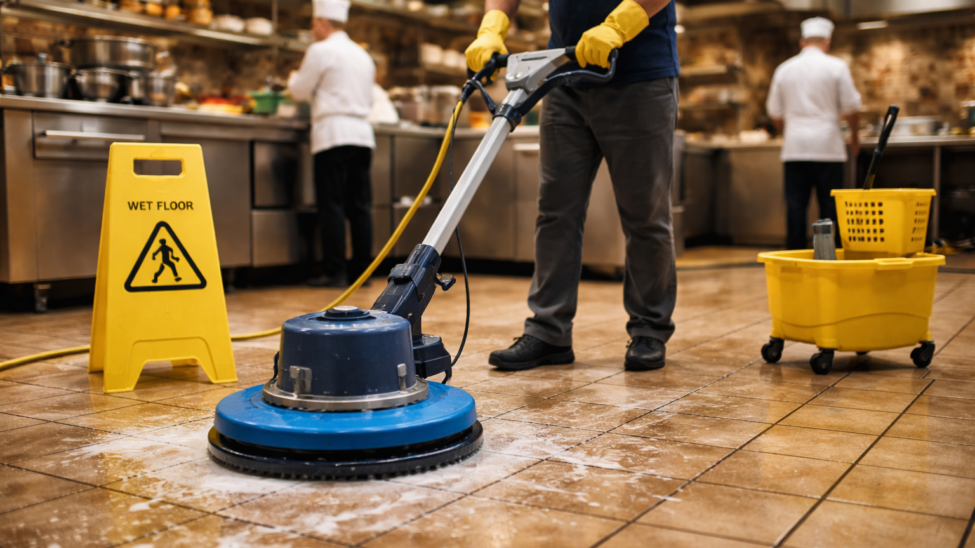
The foundation of restaurant tile floor care begins with daily maintenance. Begin by sweeping or dry mopping the floor each morning and after peak service hours to remove loose dirt, dust, crumbs, and debris. This step prevents particles from being ground deeper into grout lines or smeared over larger areas during wet cleaning. Next, use a pH-neutral commercial tile cleaner and a microfiber mop or an automatic scrubber designed for hard surfaces. Avoid harsh alkaline cleaners that can dull tile or damage grout over time.
Consistency is key — dining areas and kitchen walkways should be cleaned multiple times per day to reduce buildup and hazards. Spills should be addressed immediately to prevent staining and slipping risks, especially near high-traffic stations and behind the line.
Target Grout Lines With Proper Tools
Grout — the porous material between tiles — is notorious for trapping grime and bacteria in restaurants. Without regular deep cleaning, grout lines can darken, harbor allergens, and create an unsanitary appearance even when tiles look relatively clean. To combat this, use a stiff-bristled grout brush or a powered scrubber with removable brushes designed for grout channels. Apply a specialized grout cleaning solution, or a paste of baking soda and water, to loosen embedded dirt before scrubbing vigorously.
After scrubbing, rinse thoroughly with clean water and extract excess moisture with a wet vacuum or commercial mop to promote quick drying. Quick drying not only improves safety but also prevents microbial growth in damp areas.
Seal and Protect for Long-Term Cleanability
Once tile and grout are thoroughly cleaned, applying a high-quality grout sealer can dramatically improve long-term maintenance. Sealing creates a protective layer that repels liquids, slows stain penetration, and makes everyday cleaning more effective. In restaurant settings, frequent resealing — typically every 3–6 months — can save hours of labor and significantly extend the life of grout and tile surfaces.
Schedule Deep Professional Cleaning
Even with meticulous daily care, restaurant tile floors benefit from regular professional deep cleaning. Experts like Genesis Carpet Cleaning use advanced equipment and eco-friendly solutions to reach deep into grout lines and remove hardened grease and soil that everyday methods can’t touch. Professional services not only revitalize tile appearance but also enhance hygiene and safety — crucial for passing inspections and impressing customers.
Safety and Sanitation First
In a busy restaurant, clean floors are about much more than aesthetics. They play a critical role in food safety, employee well-being, and customer experience. Adopting the best practices for tile floor cleaning — from thoughtful daily routines to scheduled professional maintenance — ensures a safe, appealing, and healthy environment your staff and guests can trust.


